


WHAT IS APPLIED BRILLIANCE?
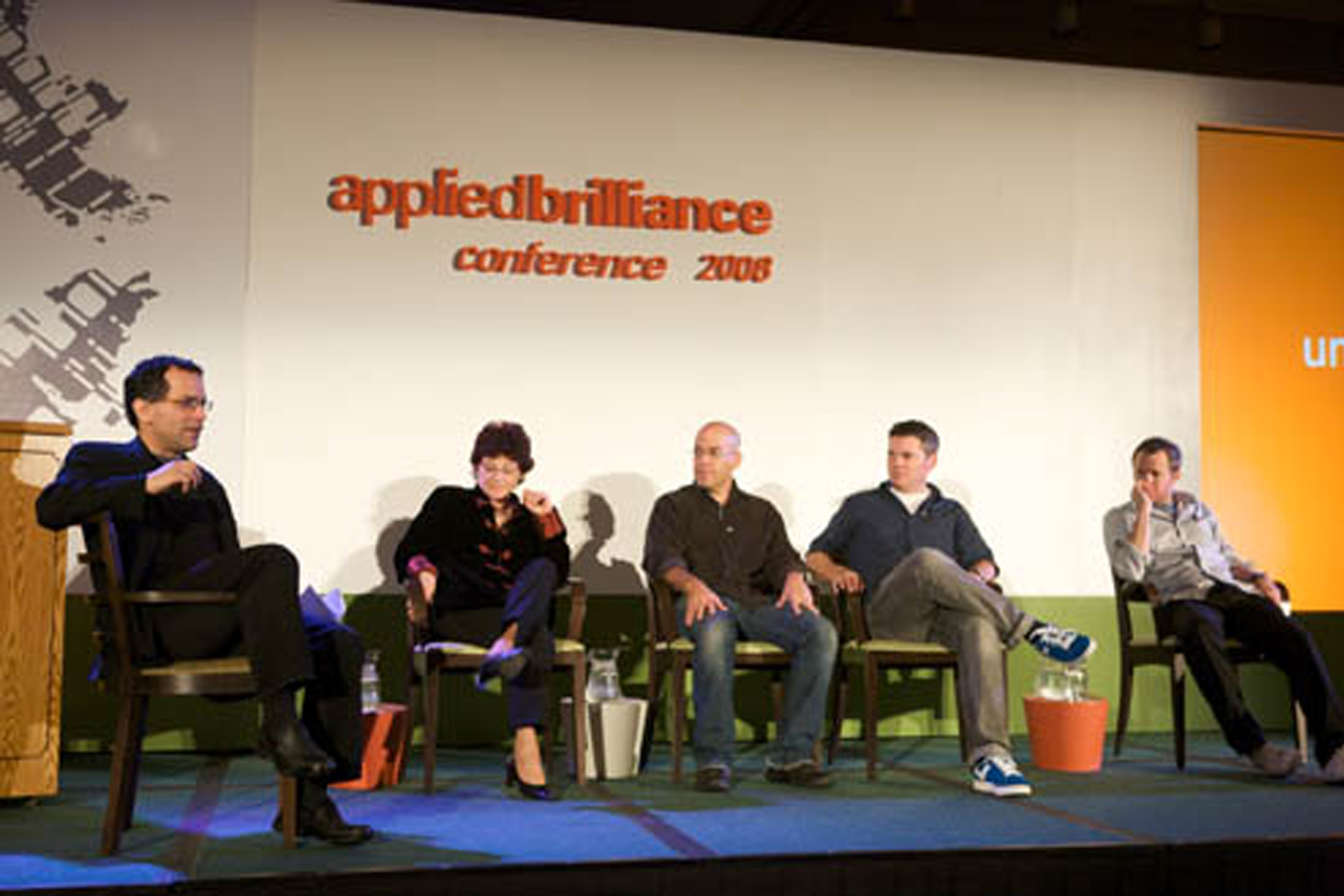
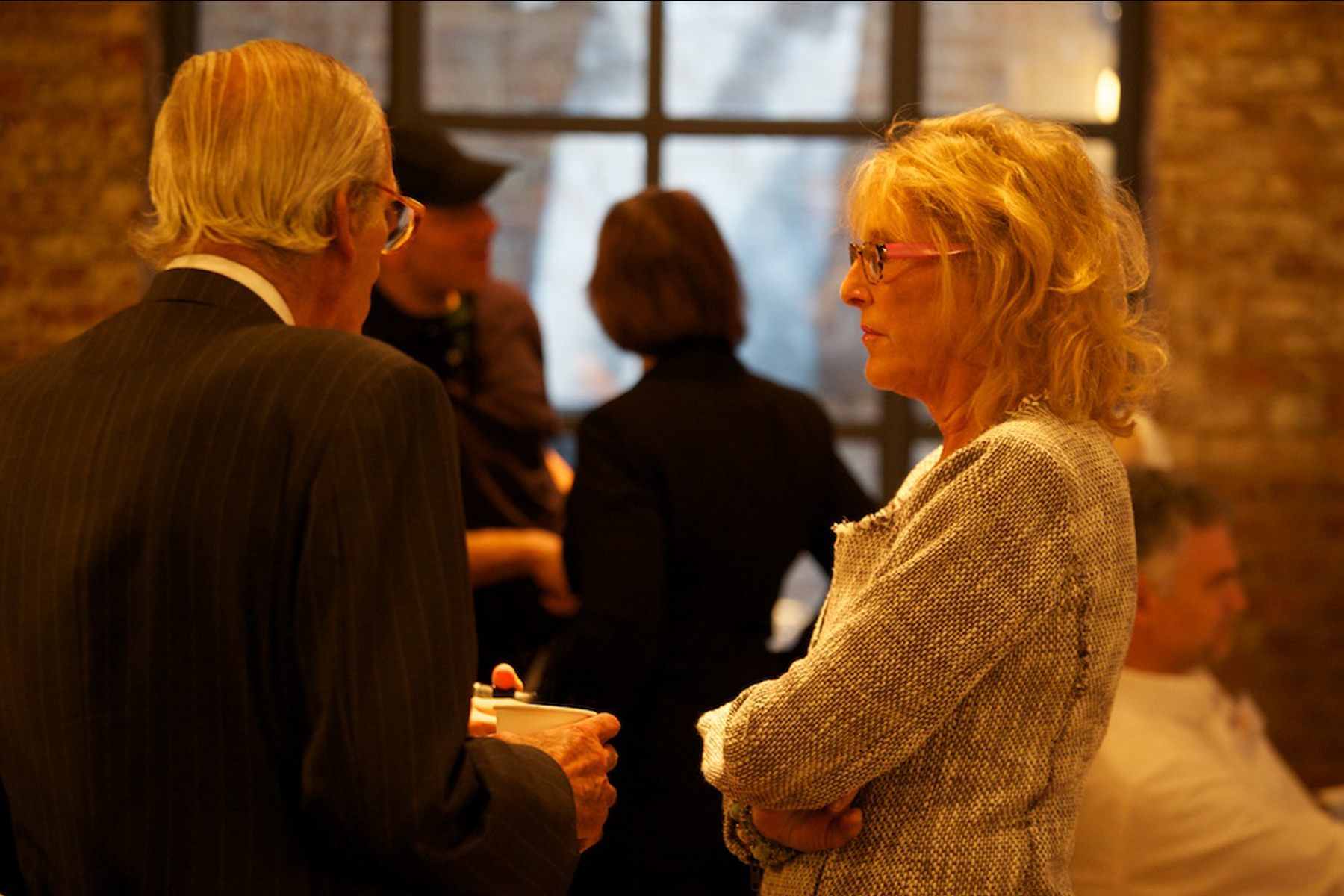
Applied Brilliance produces an annual conference that helps us shape our future and understand the present. How? We bring together a community of the intellectually curious and independent thinkers who work alongside brilliant presenters from the hard sciences, humanities and social sciences.









WHO PRESENTS?
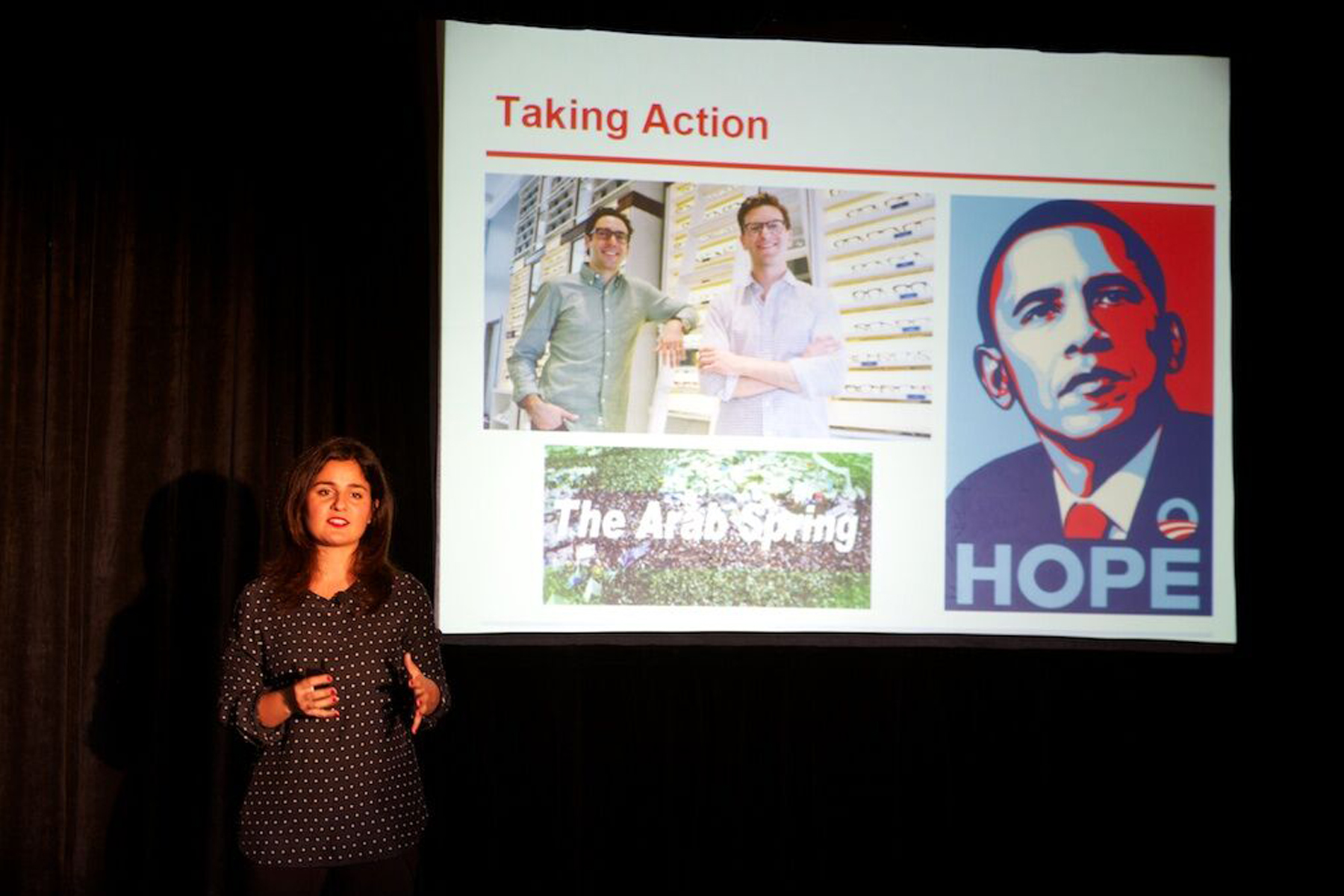
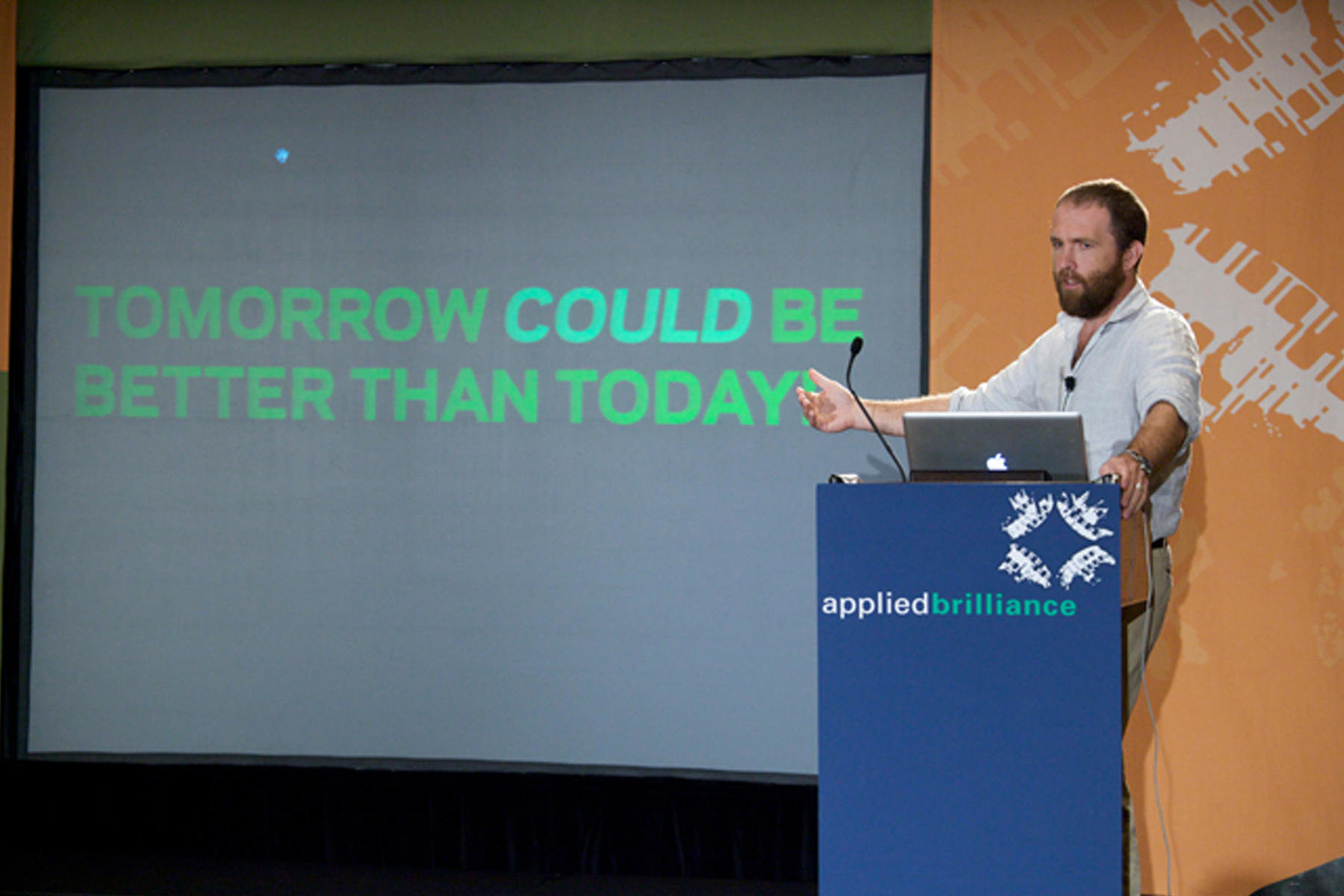
Applied Brilliance reveals the most important emerging trends that shape our lives through the filter of brilliant thought leaders ranging from poets, philosophers and economists, to scientists, artists and futurists.
WHY IS IT DIFFERENT?
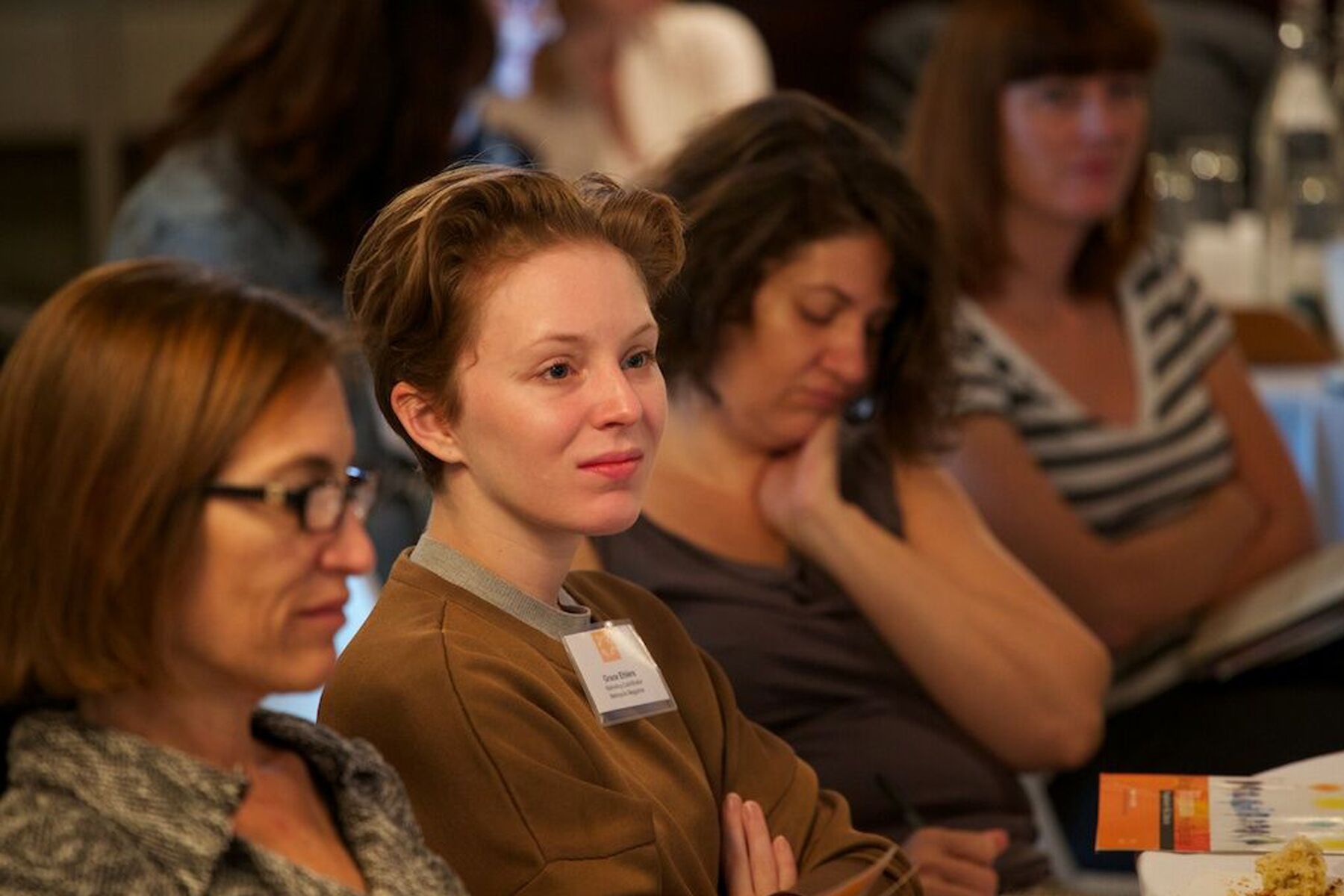
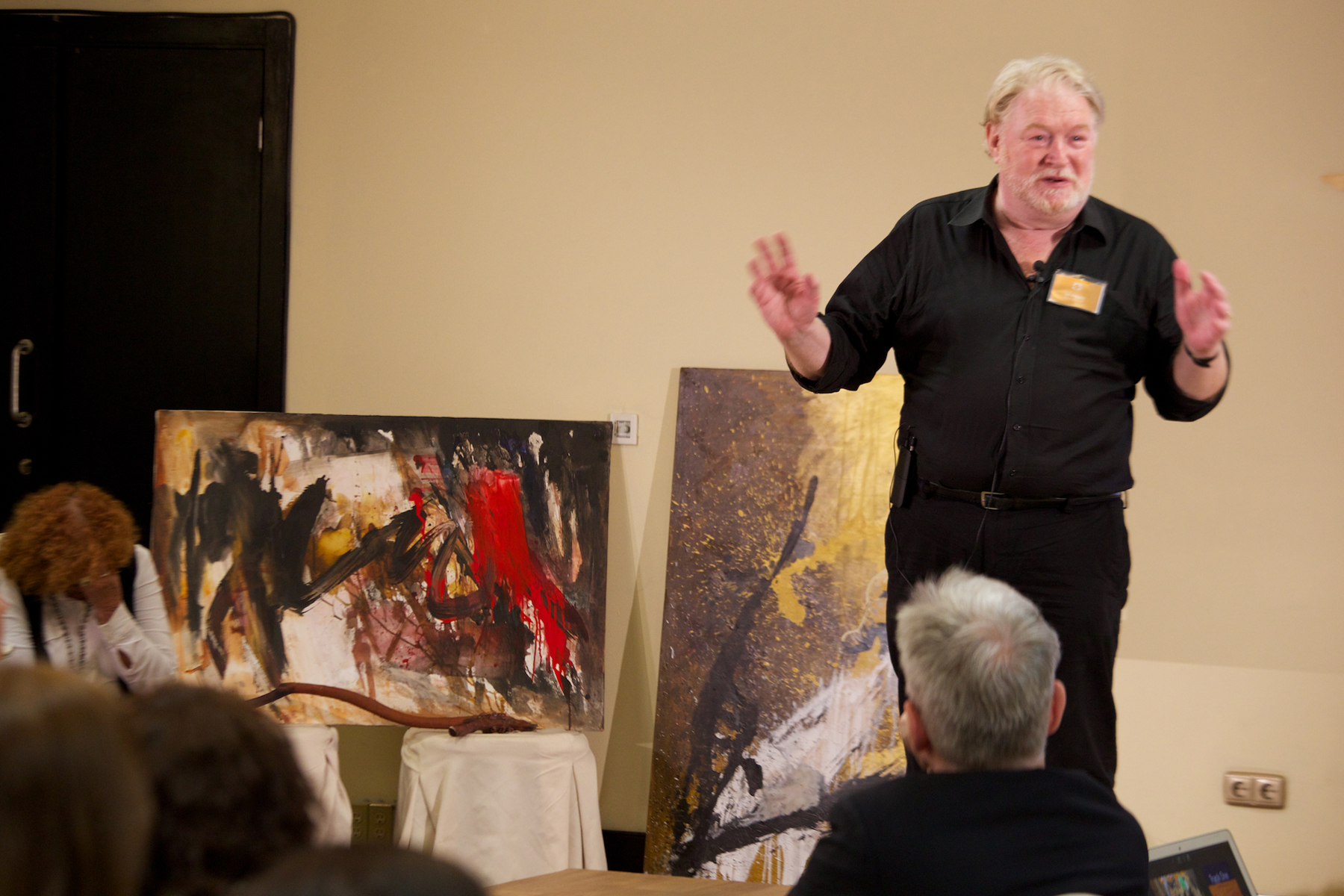
- Brilliance is unscripted and unrehearsed. It is small, intimate, authentic.
- It is an opportunity to collaborate personally with a cross-disciplinary group of brilliant minds and solve problems with them.
- It is an open platform to celebrate the intersection between emerging thinkers and established thought leaders.
- It is a stage for the ideas and work that shape the future and explain the present.
WHY ATTEND?
- You will find answers to shaping your future and understanding the present.
- Everyone is equal. You will have access to, and engage personally with brilliant presenters for two full days in a dynamic, transformative
environment. - You will use systems thinking and solutions to enhance your life professionally and personally.
- You will experience applied brilliance firsthand in a stimulating and supportive community.
- You will contribute to a unique live theater experience.
- You will be awed, challenged, entertained, dazzled and ultimately, transformed.
- If you want to know what's next and how to shape your future, you need to be part of our conversation.